Dviraciustovai.lt is a manufacturer and supplier of bike racks, holders and bike shelters in Lithuania. We have been operating since 2010. We manufacture most of our racks ourselves and install more than 100 new sites every year.
The electricity used in the operations of UAB "Joksita" is 100% generated from renewable energy sources. This is confirmed by a green energy certificate issued by "Ignitis". In this way we reduce CO₂ emissions and contribute to the development of sustainable energy in Lithuania.

More – Green energy at joksita.lt.
A few of the sites we have fitted out:
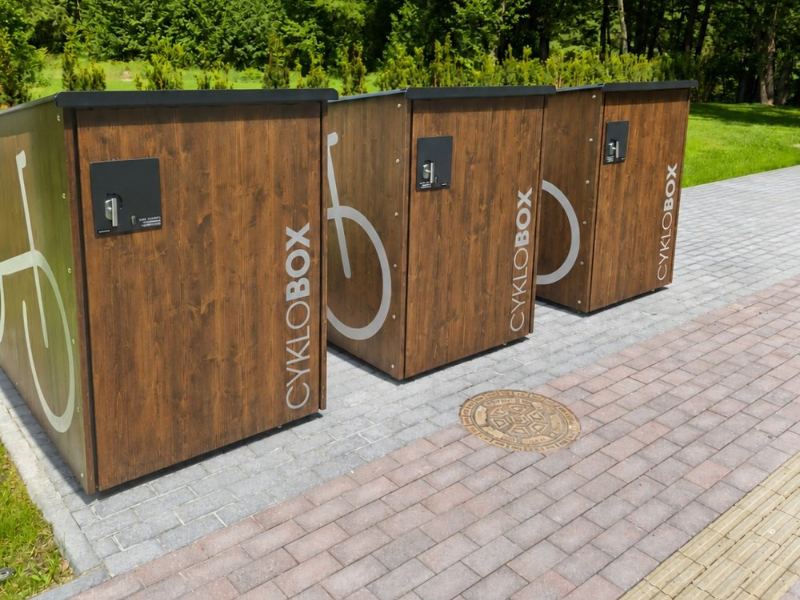
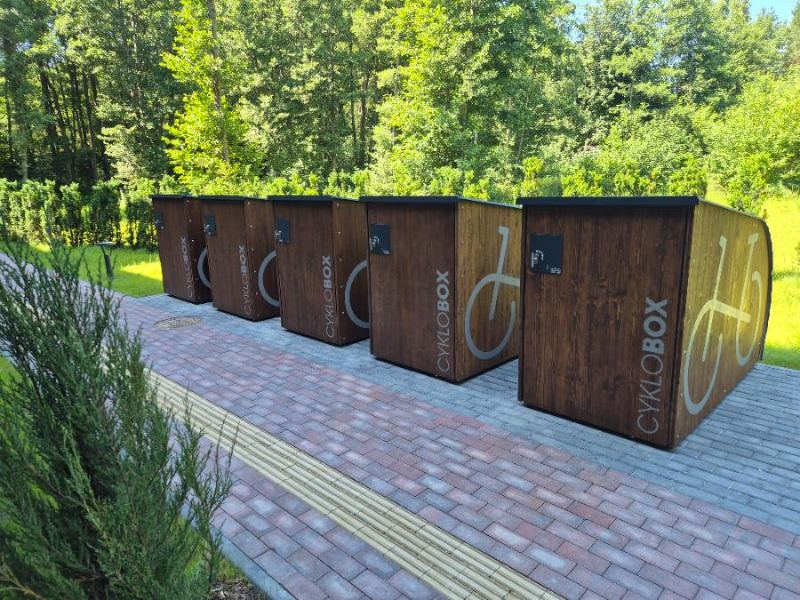
Enclosed bike shelters in a public space – bikes are protected from the weather and theft. One of the sites is in Palanga.
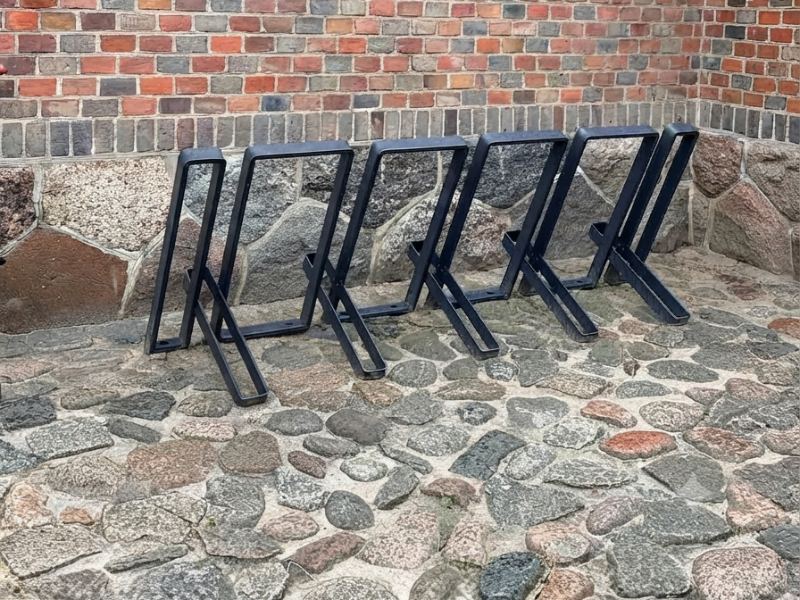
A dark multi-space rack in a historic setting – blending in with the red-brick buildings and paving.
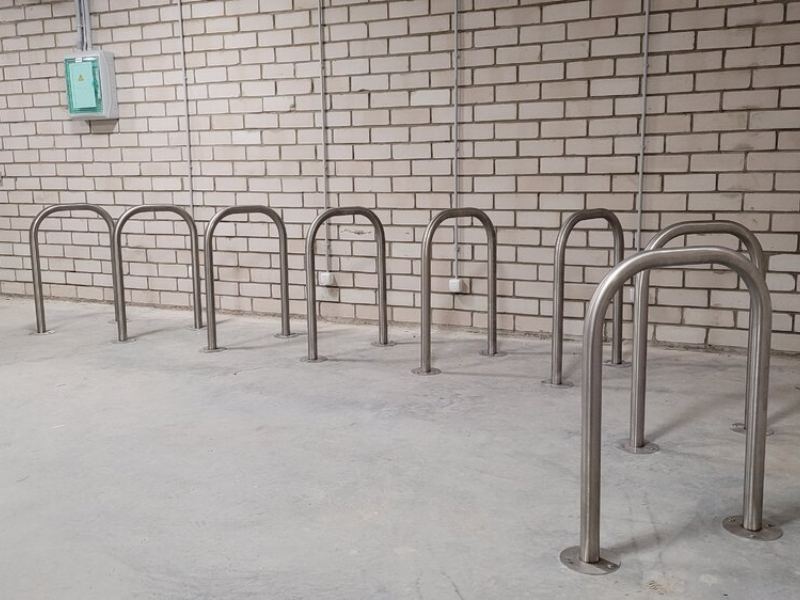
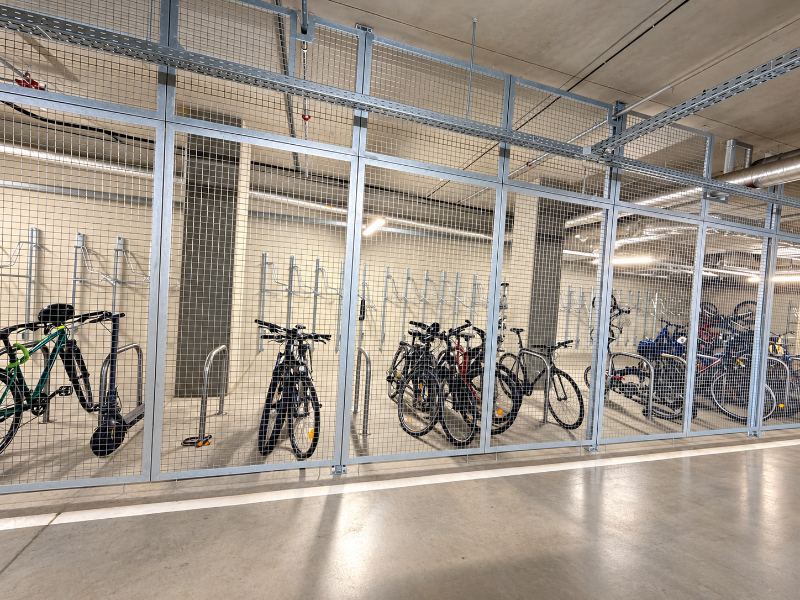
Stainless steel U-shaped racks and indoor bike spaces – tidy bike storage in buildings and underground garages.
Municipalities, schools and universities, business centres, real estate developers, apartment owners' associations and private individuals. If you are preparing a project, we will help you choose the type of rack and the number of spaces, and we can make the rack you need to individual order.
You will find tips on choosing and installing bike racks in our articles.
UAB "Joksita" runs four online shops: siuksliudeze.lt – waste bins and containers; plastikinedeze.lt – plastic boxes; dviraciustovai.lt – bike racks; viskasmiestui.lt – urban equipment.
Company details: UAB "Joksita", company code 302570596, VAT code LT100005769719; warehouse / collection: Žolynų g. 1, Pikutiškės, Vilniaus r. LT-14300; tel. +370 614 11652; email info@joksita.lt.
Collection point: map on Google Maps.
You will find more contact details on our contact page.
A bike rack is a purpose-built structure for parking bikes safely and neatly. It helps keep things tidy, reduces the risk of theft and creates convenient cycling infrastructure. Racks are used at schools, offices, shopping centres, apartment blocks and other public or private locations.
A rack does not lock the bike by itself, but most racks are designed so that you can lock the bike's frame and wheel to them. U-shaped racks are the most secure – they make it easiest to lock the frame.
Yes. Outdoor bike racks are usually galvanised or made of stainless steel, so they withstand rain, snow and temperature changes.
When choosing a rack, consider:
the number of bikes
the installation location
the material
the level of security
the space available.
Yes. In apartment block yards, bike racks help keep bikes tidy and save space.
Yes. Many companies install bike racks for employees and customers to encourage eco-friendly transport.
Yes. Some models are designed for use in garages, underground car parks or bike storage rooms.
Yes. As well as racks, special bike shelters are used, which protect bikes from the weather and theft.
Yes, most bike racks are also suitable for e-bikes, provided their tyres fit the holder.
On average, each bike needs about 60–80 cm of width, depending on the type of rack.
Yes. Well-designed racks let you store several bikes in a compact space and keep the surroundings tidy.
The most popular bike racks are:
Bike racks are most often made of:
Stainless steel racks are corrosion-resistant, long-lasting and need no complicated maintenance, which makes them ideal for outdoor conditions.
That depends on the model. Racks can be designed to hold 2, 3, 5, 8 or even more bikes at a time.
Most racks are suitable for various types of bike – city, mountain or e-bikes – provided the tyre width fits the design.
Bike racks can be:
fixed to the paving with anchor bolts
set in concrete in the ground
mounted on a wall or other structures.
Bike racks are most commonly installed at:
schools and universities
office buildings
shopping centres
parks
apartment blocks.
